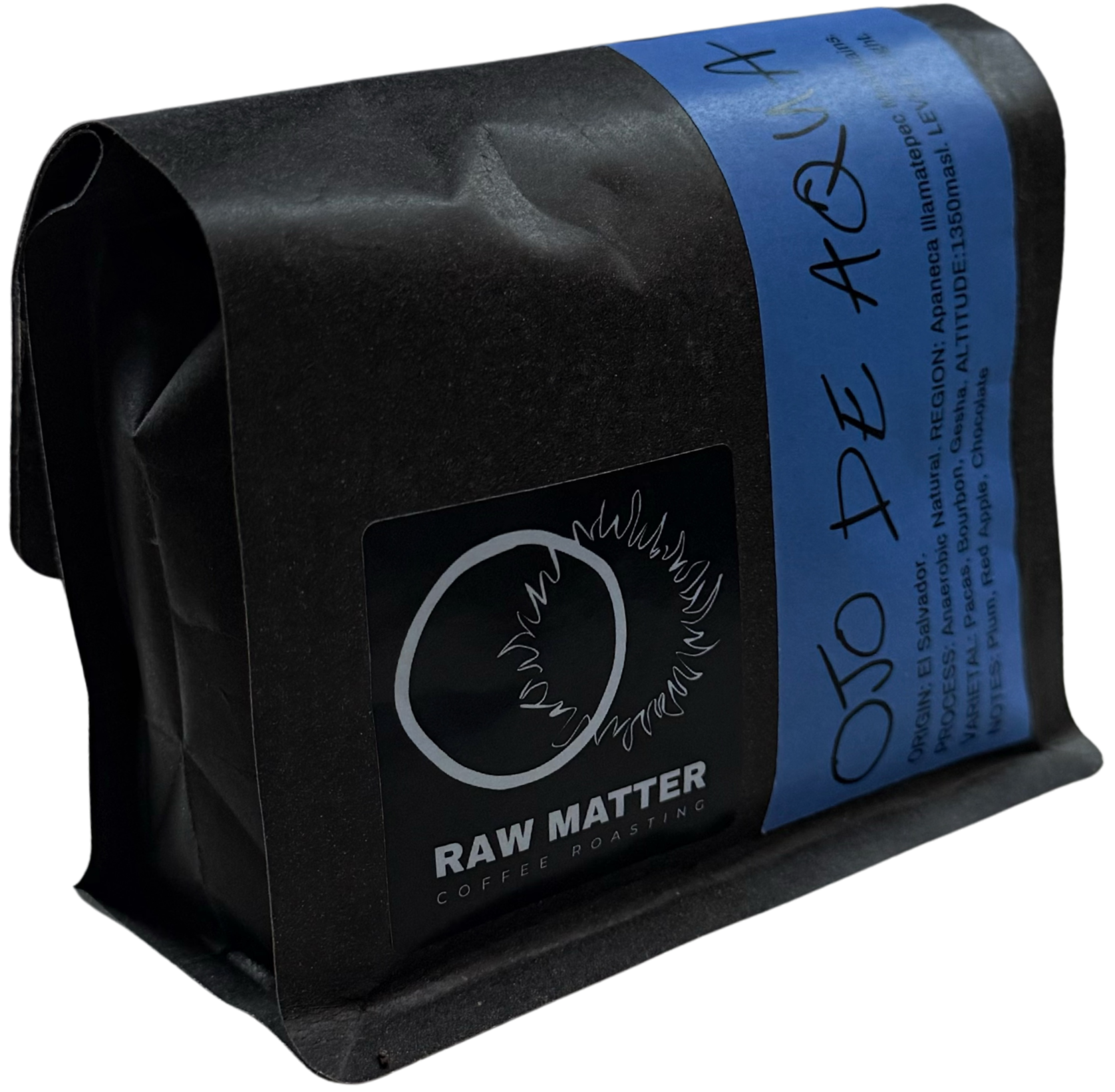
#RM-001
Tastes a bit like a dairy milk fruit and nut bar. Kind of sweet and creamy but with a deep fruitiness, and that funky/fermented type vibe you often get with naturally processed coffees.
NOTES: Plum, Red Apple, Chocolate
ORIGIN: El Salvador
PROCESS: Anaerobic Natural
REGION: Apaneca Illamatepec Mountains
VARIETAL: Pacas, Bourbon, Gesha
ALTITUDE:1350masl
LEVEL: Light
200g / 1kg Wholebeans
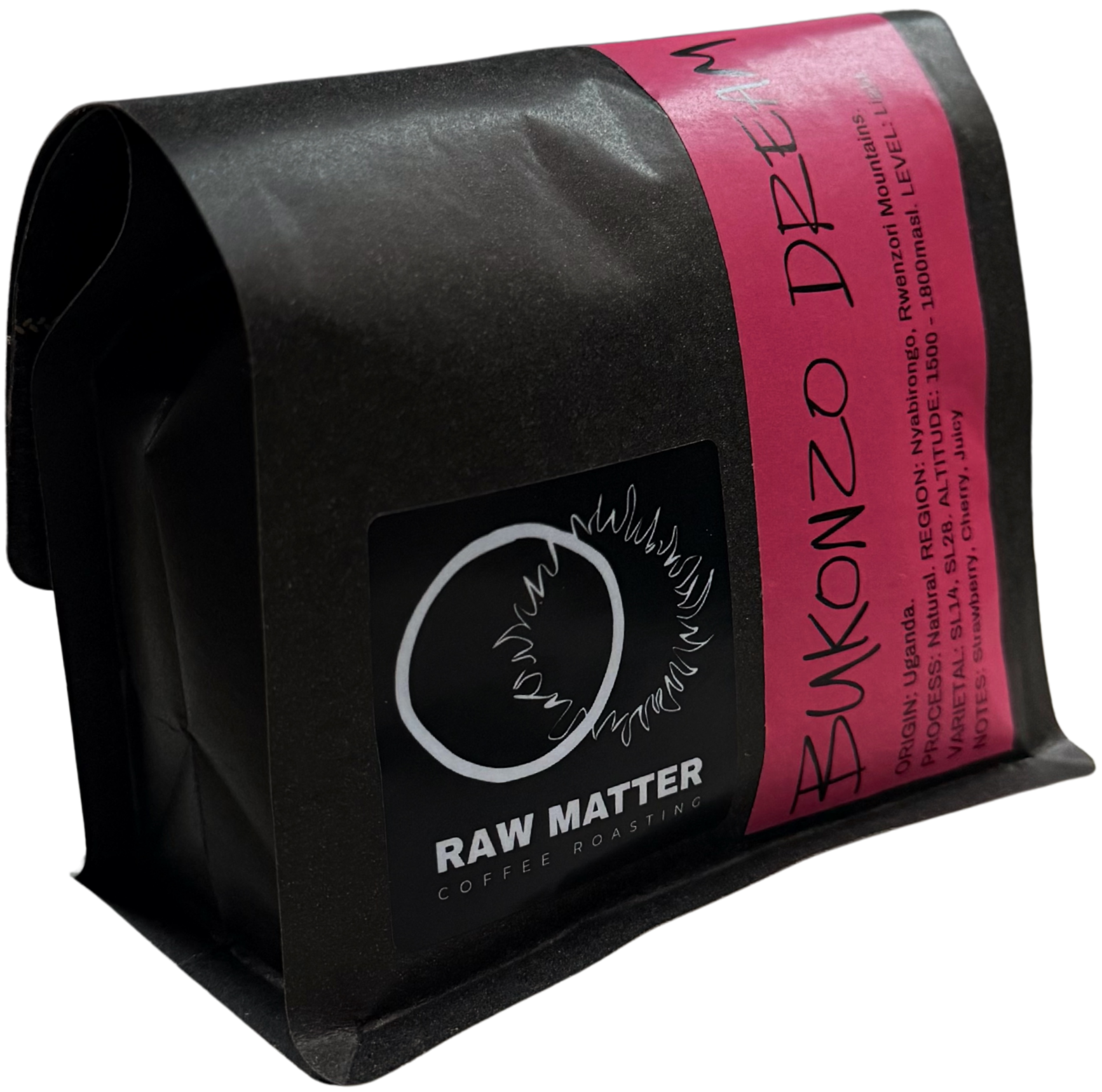
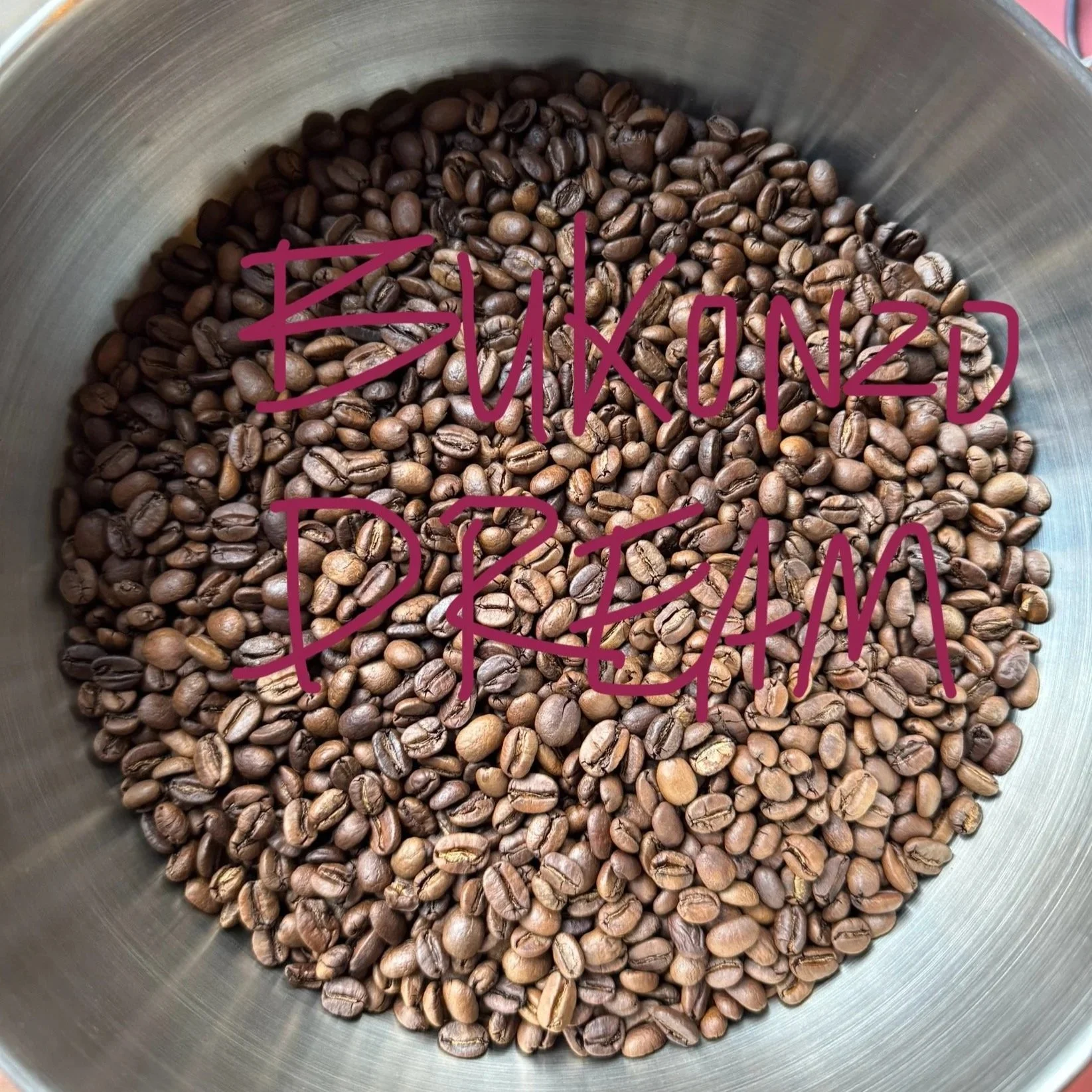
#RM-002
Super interesting and balanced brew - gives sweet strawberry and juicy cherries, but with a smooth caramel milk chocolate richness. Reminds me a bit of the strawberry cream chocolates you get in a box of quality street.
NOTES: Strawberry, Cherry, Juicy
ORIGIN: Uganda
PROCESS: Natural
REGION: Nyabirongo, Rwenzori Mountains
VARIETAL: SL14, SL28. ALTITUDE: 1500 - 1800masl
LEVEL: Light
200g Wholebeans
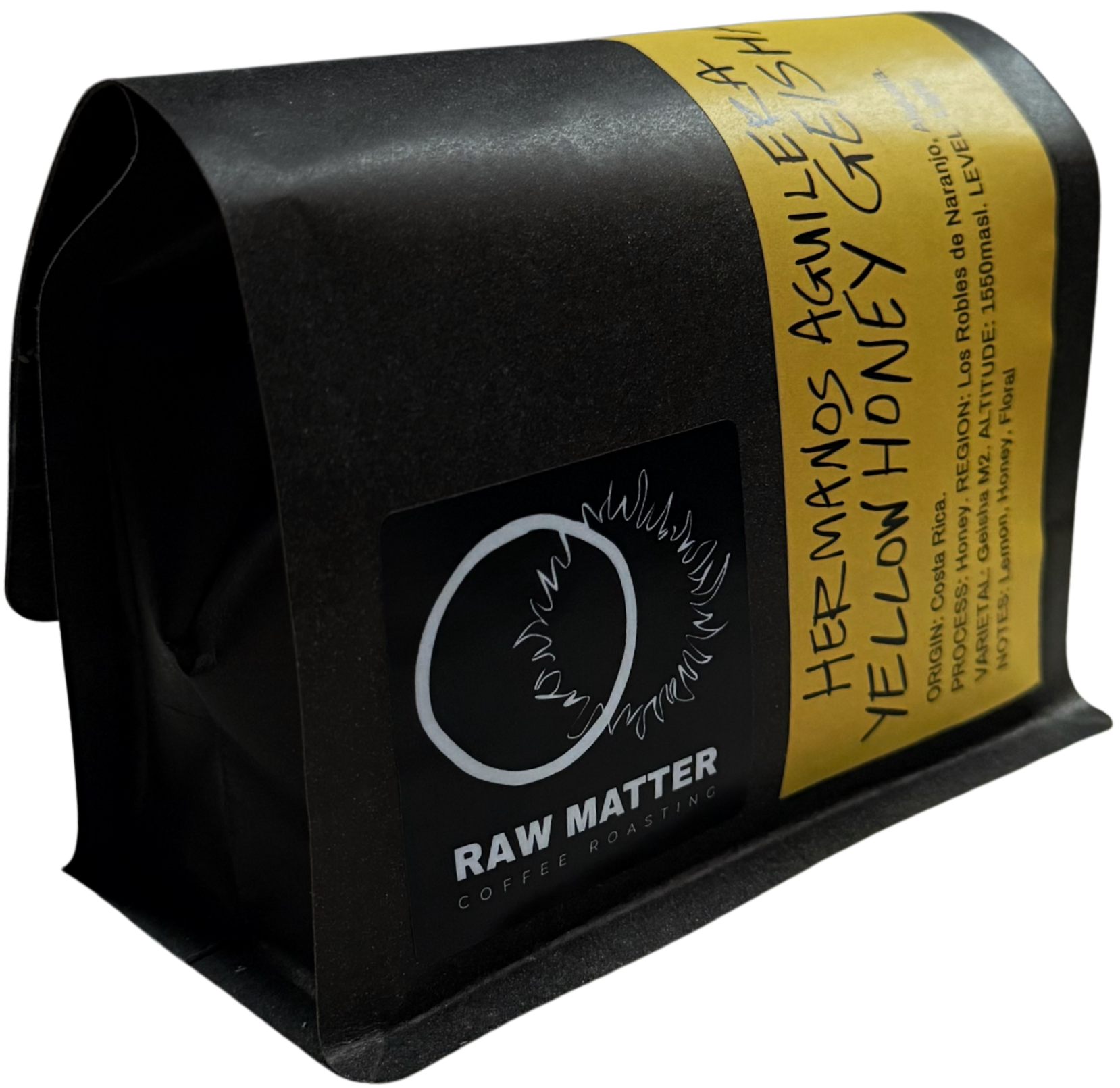
#RM-003
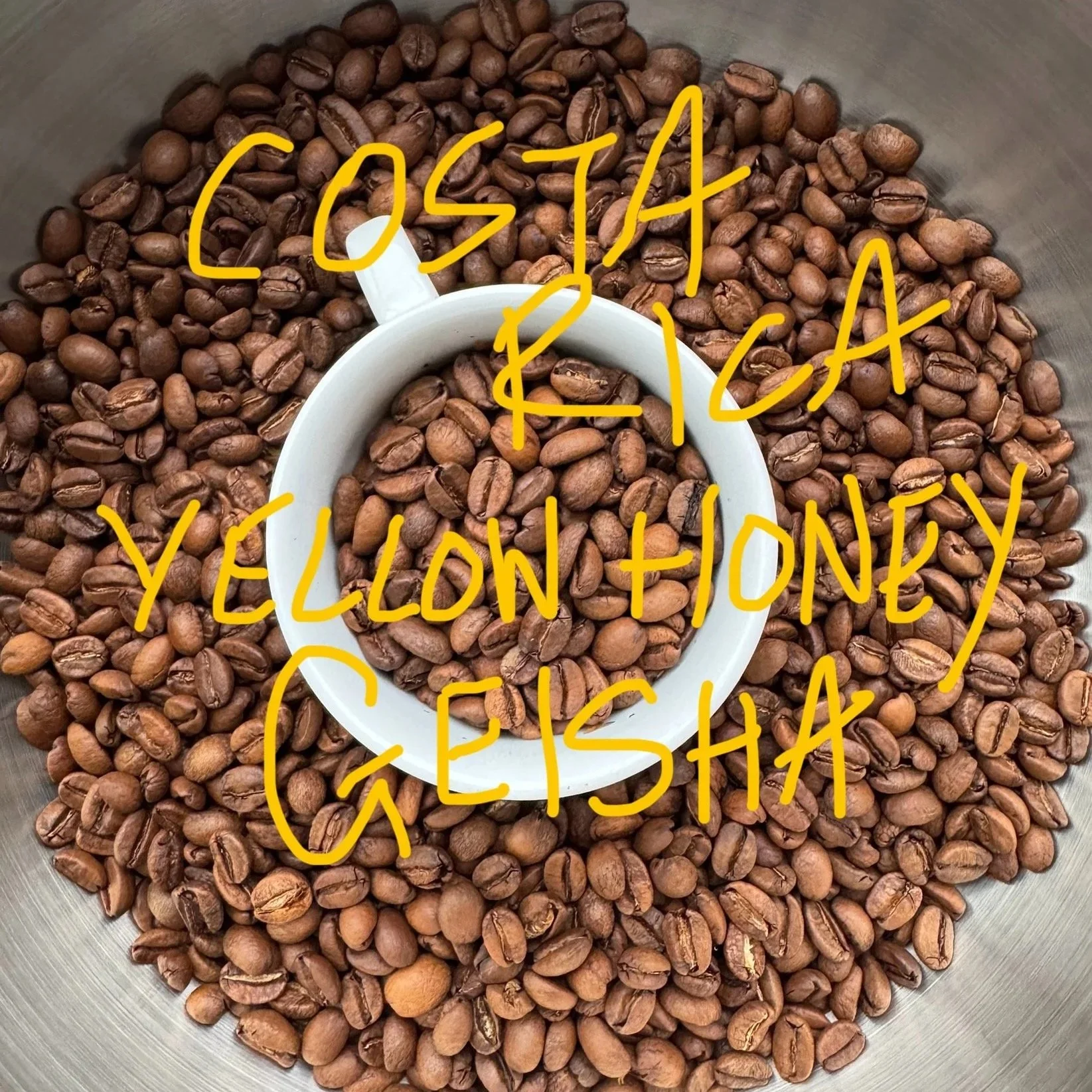
Nice and light, tea-like vibe. Floral notes with hints of lemony brightness and a honey-like sweetness.
Brew a big filter pot and you’ll have smashed it all in no time.
NOTES: Lemon, Honey, Floral
ORIGIN: Costa Rica
PROCESS: Honey
REGION: Los Robles de Naranjo, Alajuela
VARIETAL: Geisha M2
ALTITUDE: 1550masl
LEVEL: Light
200g Wholebeans
#RM-004
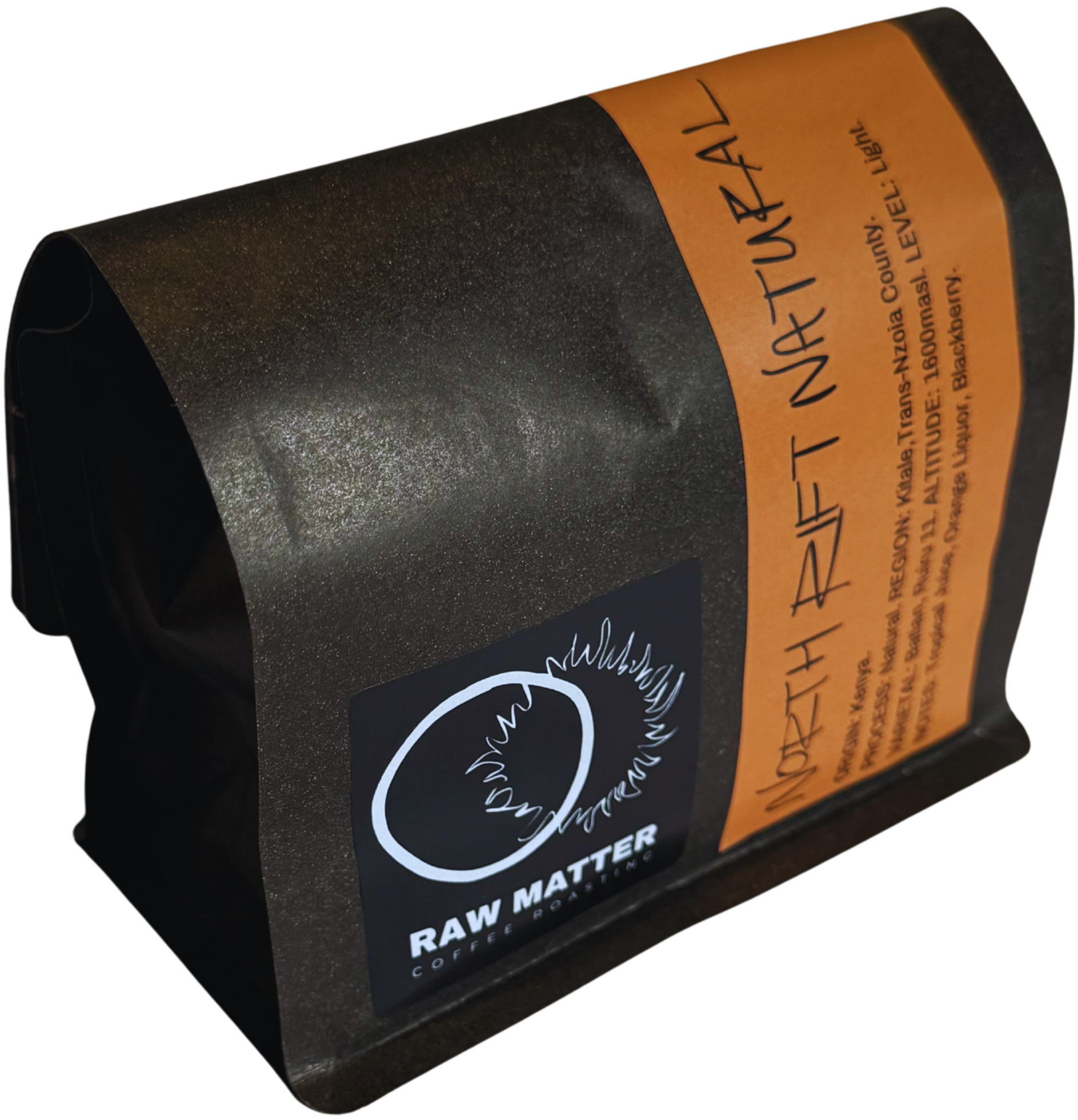
Juicy as hell. Big tropical fruit juice vibe (passionfruit, mango, pineapple etc.) with a heavy body and liquor-like complex booziness to it.
NOTES: Tropical Juice, Orange Liquor, Blackberry.
ORIGIN: Kenya.
PROCESS: Natural.
REGION: Kitale, Trans-Nzoia County.
VARIETAL: Batian, Ruiru 11.
ALTITUDE: 1600masl.
LEVEL: Light.
PRODUCER: Lot 20 Coffee
200g Wholebeans
Lot 20 Coffee, from a small start, has grown into a network of farmers across five counties, all linked by a focus on quality, transparency, and community. Farmers are paid premium prices upfront, given seedlings and agronomy support, and encouraged to pass knowledge to younger generations. By keeping processing close to where cherries are grown and value within farming communities, Lot 20 has created the conditions for distinctive lots like this one from Kitale to stand out on the global stage.
#RM-005
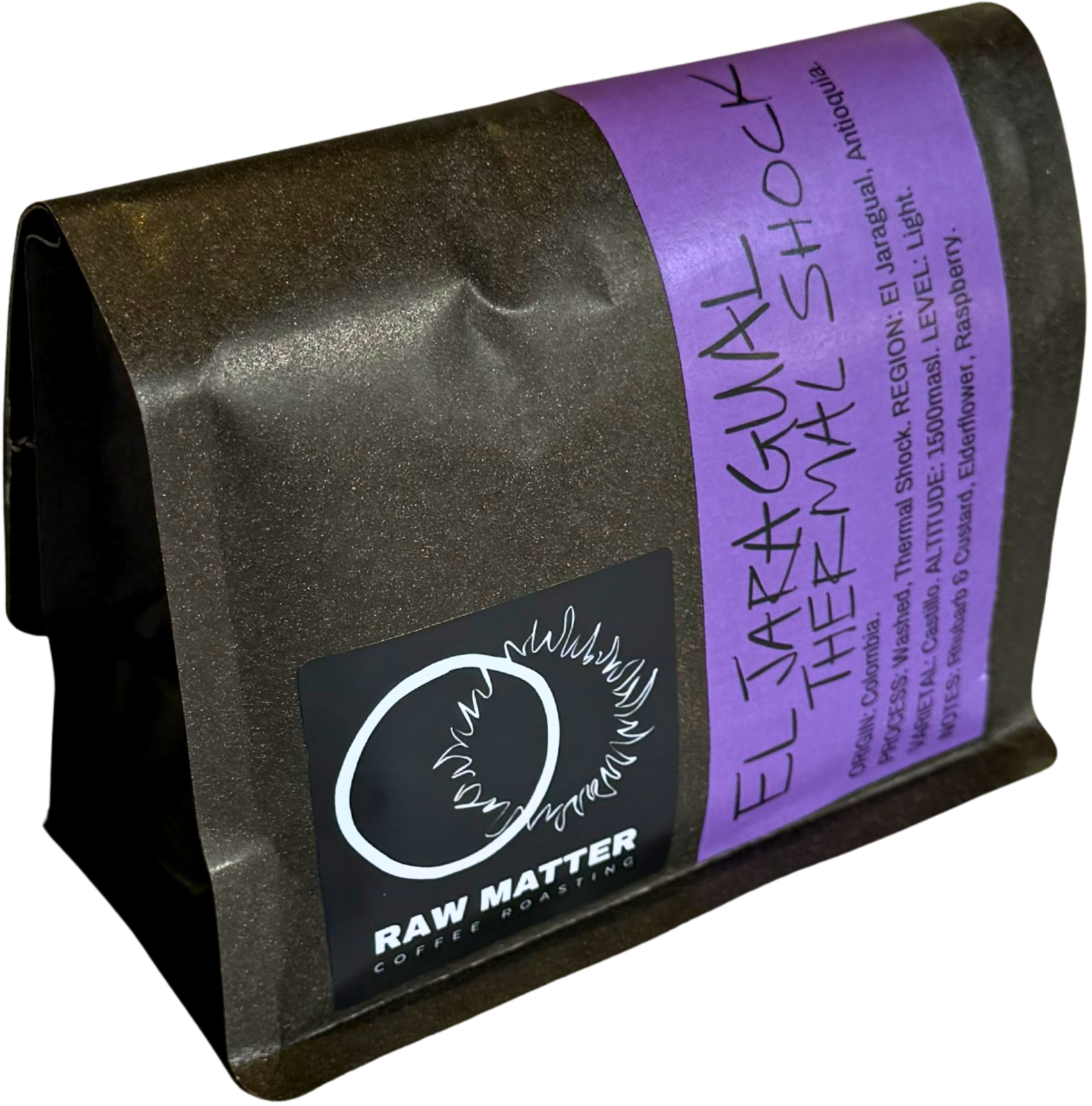
Creamy body with notes of tart fruit and florals. Makes me think of those rhubarb and custard sweets. The technical processing method includes yeast culture fermentation followed by thermal shock washing, which locks in vibrant sweetness and complexity. Makes for a tasty and aromatic brew.
NOTES: Rhubarb & Custard, Elderflower, Raspberry.
ORIGIN: Colombia.
PROCESS: Washed, Thermal Shock.
REGION: El Jaragual, Antioquia.
VARIETAL: Castillo.
ALTITUDE: 1500masl.
LEVEL: Light.
PRODUCER: Jorge Mira
200g Wholebeans
From Importer MiCafe: “El Jaragual, spanning 150 hectares, is a family-operated farm overseen by Jorge Mira. Located at an elevation of 1500 MASL in Amalfi, Antioquia, Colombia, the farm is perfectly positioned in the northern area of the central Colombian Andes. This location is superb for cultivating premium coffee. A significant portion of El Jaragual is dedicated to forestry, leveraging Jorge's background as a forestry engineer. The farm features a blend of pine tree plantations aimed at sustainable timber production, alongside conserved areas of native forest. Currently, we cultivate seven coffee varieties at El Jaragual, shaded by plantain trees and other native agroforestry species. The coffee processing methods employed at El Jaragual are refined, involving extended fermentation phases with yeast inoculation and temperature adjustments, such as warm water rinses and cool water quenches, to enhance and stabilise the aromatic qualities developed during fermentation. This represents a thoughtful balance between traditional and modern processing techniques.”
#RM-007
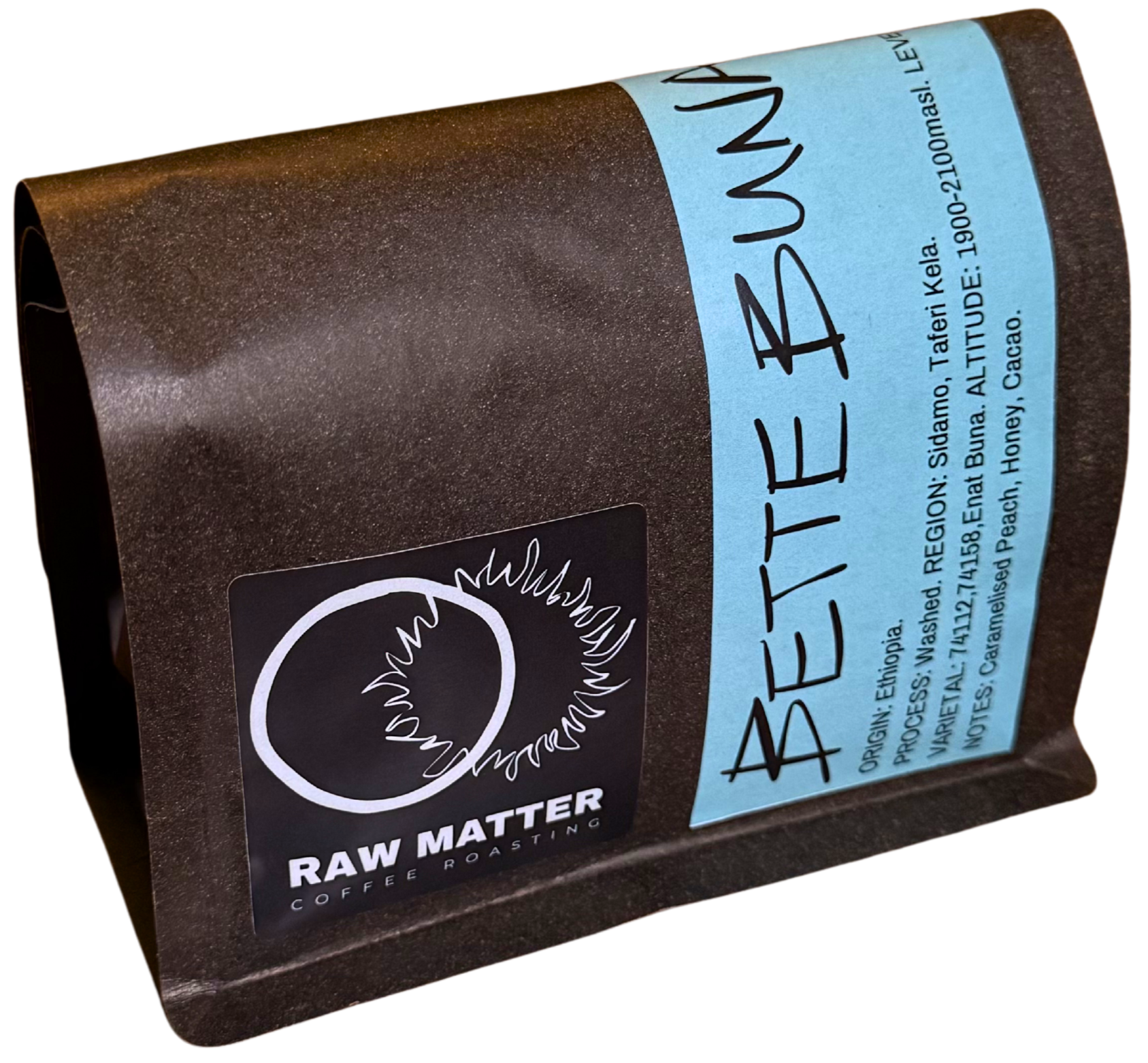
Silky smooth, like peaches and apricots covered in honey. Delicious washed coffee from the mountains of Ethiopia.
Very limited amount of this one - so be quick.
NOTES: Caramelised Peach, Honey, Cacao.
ORIGIN: Ethiopia.
PROCESS: Washed.
REGION: Sidamo, Taferi Kela.
VARIETAL: 74112,74158,Enat Buna.
ALTITUDE: 1900-2100masl.
LEVEL: Light.
200g Wholebeans.
Building Opportunities - Coffee production in Ethiopia accounts for about a third of the country's GDP but more than 90 percent of people working in coffee don’t make a liveable income. Bette Buna has set out to change that in their community. They teach their community farmers to improve their soil, grow back agro-forestry systems, and teach the importance of picking ripe cherries. Ripe cherries weigh more and produce better coffee, so the farmers get paid more by weight, and also receive a quality premium. Perhaps most importantly, they distribute more than 350,000 healthy seedlings every year from their in-house nursery.
These seedlings are climate-change adapted varietals, and on average the farmers who plant them make minimum $2 per year per seedling once the trees are grown. This means an economic impact in the area of more than $650,000 a year in a region where the average household income is less than $50 per month for an average family size of 9 people.
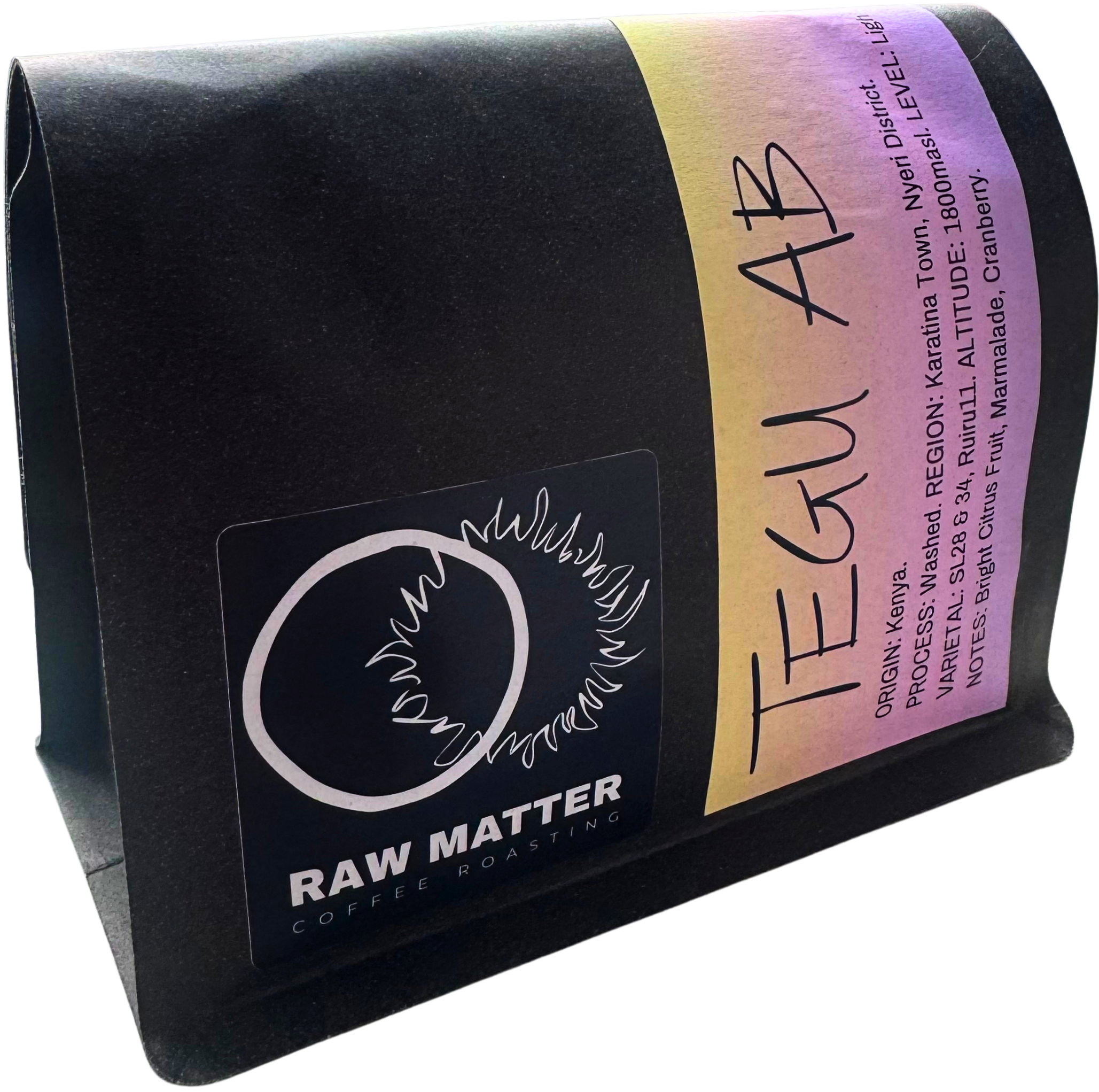
#RM-008
A super vibrant fully washed coffee from Kenya, produced by the Tekangu Farmers Cooperative Society. Bright citrus acidity of grapefruit and lemon, with a jammy texture reminiscent of orange marmalade, and a slight cranberry tartness. A zesty, fruity and juicy cup.
NOTES: Bright Citrus Fruit / Marmalade / Cranberry
ORIGIN: Kenya
PROCESS: Washed
REGION: Karatina Town, Nyeri District
PRODUCER: Tegu Factory
VARIETAL: SL28 & 34, Ruiru11
ALTITUDE: 1800masl
LEVEL: Light
200g Wholebeans.
Tegu is one of the wet mills owned and operated by the Tekangu Farmers Cooperative Society near the town of Karatina in Nyeri, Kenya. This area is well known for its fertile soils and strong reputation for quality coffee production. Founded in 1969, Tekangu FCS represents around 1,200 smallholder members, each typically farming less than half a hectare across five villages. The name Tegu translates as “low place”, reflecting its position in the foothills between Mount Kenya to the north-east and the Aberdare Range to the west. In addition to Tegu, Tekangu FCS also manages the Karogoto and Ngunguru wet mills. Coffee is collected through three centralised collection points, serving farms located up to around 6km from the mill. At the factory, cherries are first hand-sorted to remove underripes and overripes. They are then floated to separate lower-density cherries before being depulped using a disc pulper. The coffee undergoes an overnight dry fermentation, followed by washing and a second fermentation under water. It is then washed again, soaked in clean water, and finally moved to raised beds on the gentle slopes outside the mill to dry. During drying, the parchment is typically covered at night and during the hottest part of the day to help maintain stable temperatures and protect quality. We purchase Kenyan coffees through a local Kenyan company that bids on our behalf at auction after lots have been screened and cupped locally.
No results match your search. Try removing a few filters.
